
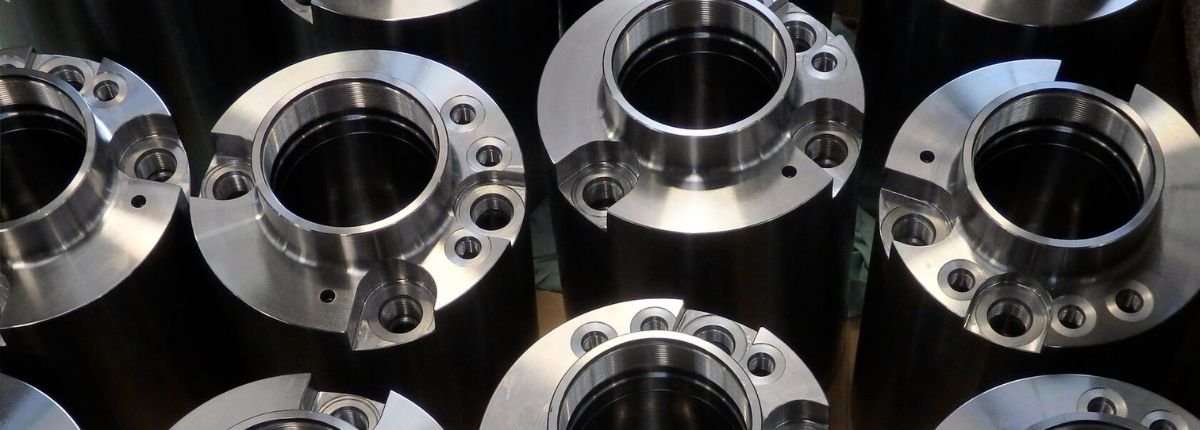
At Exotic Metals LLP our Flanges are the essential components that provide the strength and versatility required for high-pressure piping systems. A flange is a forged or cast ring of metal designed to connect sections of pipe, valves, pumps, and other equipment to create a continuous pipeline. Unlike a permanent welded joint, a flanged connection allows for easy inspection, cleaning, and modification of the system without cutting the pipe.
-
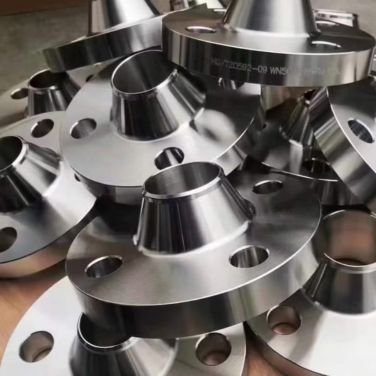
Characterized by a long tapered hub that is butt-welded to the pipe. This design transfers stress from the flange to the pipe itself, making it the primary choice for high-pressure and high-temperature service where structural integrity is critical
-
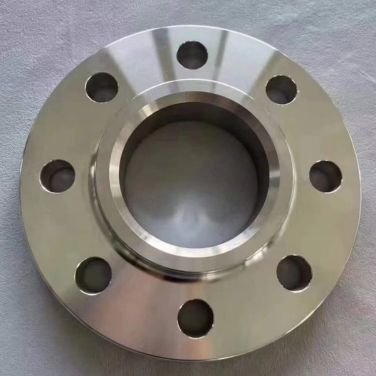
Designed to slide over the pipe and be welded both internally and externally. While easier to align than weld neck flanges, they are typically limited to lower pressure classes (Class 150 and 300) due to their lower fatigue strength.
-
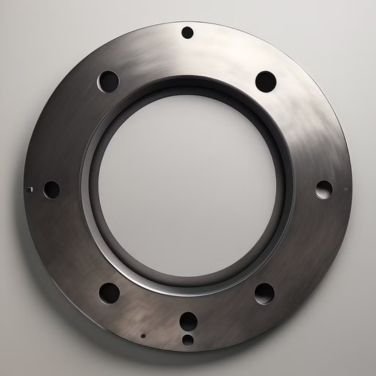
Used to seal the end of a piping system or a pressure vessel opening. These act as an inspection cover and must withstand significant internal pressure and bolt loading.
-
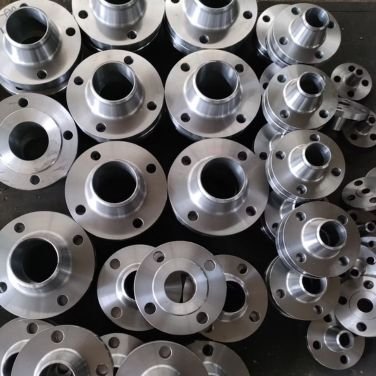
The pipe is inserted into a socket in the flange and welded with a single fillet weld. These are typically used for small-diameter, high-pressure piping where internal flow turbulence must be minimized.
-
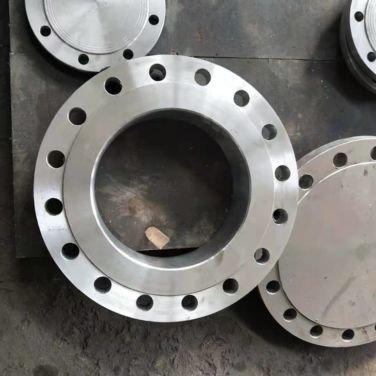
Used in conjunction with a "Stub End." The flange slips over the pipe but is not welded; instead, it backs up the stub end. This is ideal for systems requiring frequent dismantling or when using expensive exotic materials, as the flange can be made of cheaper carbon steel while only the stub end is the exotic alloy.
-
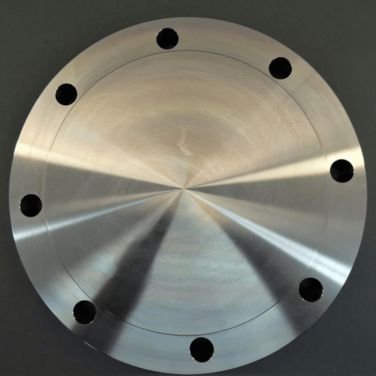
Similar to slip-on flanges but with internal threads. They are used in specialized applications where welding is hazardous or impossible, though they are generally unsuitable for high-temperature or high-pressure cycles.