1. Quality Control
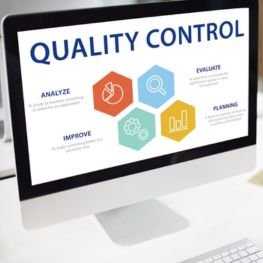
QC Managers/Head: Oversee all aspects of quality assurance and quality control (QA/QC), ensuring compliance with standards like ISO 9001.
QC Inspectors (Welding/Piping): Inspect work in progress, verify materials, and test finished work against blueprints and specifications (e.g., API 510, 653, 570).
2. Health, Safety & Environment (HSE)
HSE Managers/Head: Develop safety policies, manage HSE teams, and ensure regulatory compliance.
HSE Officers/Inspectors: Enforce safety protocols on-site, conduct risk assessments, and investigate incidents.
3. Mechanical & Structural Trades
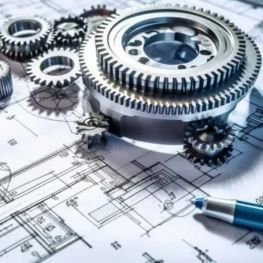
Fabricators: Cut, shape, and assemble metal parts to create structures, working from blueprints.
Welders (TIG/ARC/Alloy Steel): Join metal parts using specialized equipment.
Pipe Fitters: Install, assemble, and repair piping systems.
Millwrights: Install, maintain, and dismantle industrial machinery [Orion Talent].
4. Specialty Trades & Support
Riggers: Set up equipment for lifting and moving heavy loads, often with cranes.
Painters & Blasters: Clean, prepare (sandblasting), and apply protective coatings to surfaces.
Hydro Jetters: Use high-pressure water equipment for cleaning pipes and industrial equipment [Orion Talent].
Scaffolders: Build and take apart temporary scaffolding structures for working at heights.
5. Project Management & Engineering
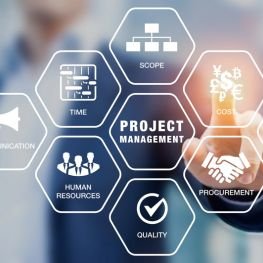
Engineers (Civil, Mechanical, Piping, Structural): Responsible for technical design, calculations, and ensuring project compliance with standards.
Planners (Planning Engineers): Create, manage, and monitor detailed project schedules, resources, and progress.
Supervisors/Superintendents: Oversee daily operations, manage crews, and ensure targets are met, typically reporting to construction managers.
6. Electrical &
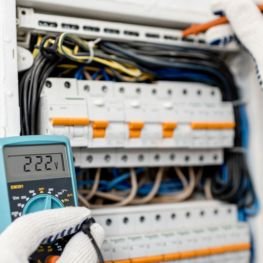
Electricians: Install and maintain electrical power, lighting, and control systems.
Instrument Technicians: Calibrate and repair, electric, electronic, and pneumatic instruments.