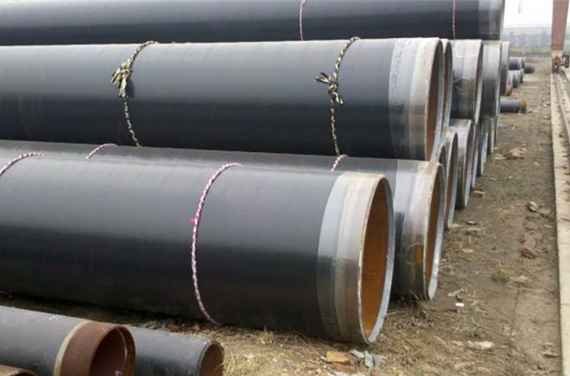
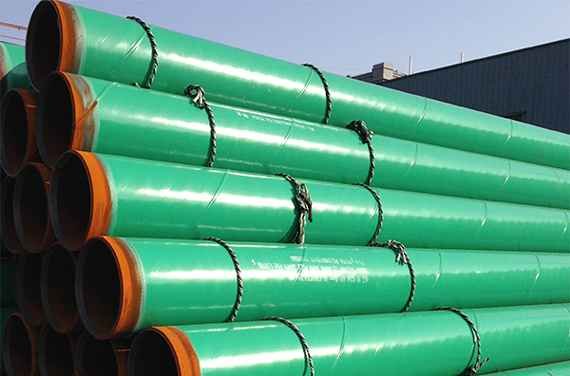
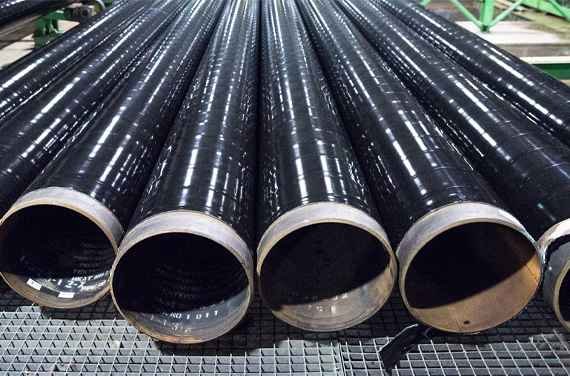
Equipment for applying a layer of adhesive and, subsequently, a layer of PE on the primary epoxy layer of a pipe. In addition to an anti-corrosion layer of FBE coating, mechanical protection can be added by applying a layer of Polyethylene (PE). An adhesive layer connects the FBE and PE layers. Granules of PE are extruded onto the passing pipe, forming a solid coating layer. Side extrusion is most used, where a sheet of PE is wrapped around a pipe. For smaller-diameter pipes, so-called sleeve/ring extrusion is a typical process.
Equipment for applying a layer of adhesive and, subsequently, a layer of PP on the primary epoxy layer of a pipe. In addition to an anti-corrosion layer of FBE coating, mechanical protection can be added by applying a layer of Polypropylene (PP). An adhesive layer connects the FBE and PP layers. Granules of PP are extruded onto the passing pipe, forming a solid coating layer. Side extrusion is most used, where a sheet of PP is wrapped around a pipe. For smaller-diameter pipes, so-called sleeve/ring extrusion is a typical process.
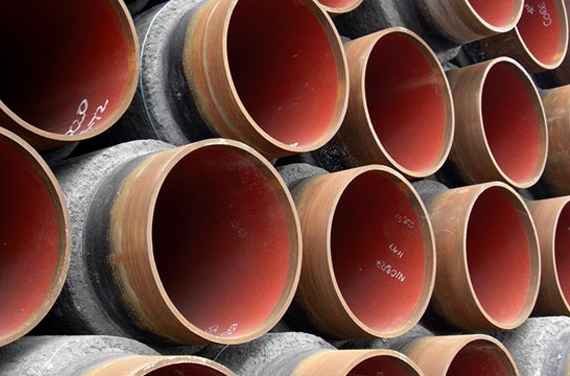
The internal Fusion Bonded Epoxy (FBE) system is based on an epoxy powder spray system, mounted on a lance. The lance moves through the pipe while the epoxy powder is sprayed onto the internal pipe surface. The pipe must be heated so that the epoxy powder melts onto the pipe. After FBE application, the layer requires curing.
Equipment for spraying fusion bonded epoxy powder on external pipe surfaces. Fusion Bonded Epoxy (FBE) coating protects pipe surfaces against corrosion. Double or triple layers of FBE may increase the resistance to friction and abrasion. FBE coating is also used as the primer layer in 3-layer PE/PP coating systems. Electrostatic epoxy powder is sprayed onto a pipe at a temperature typically around 220 – 235°C. On reaching the hot pipe surface, the epoxy powder melts and forms a uniform layer of epoxy coating.
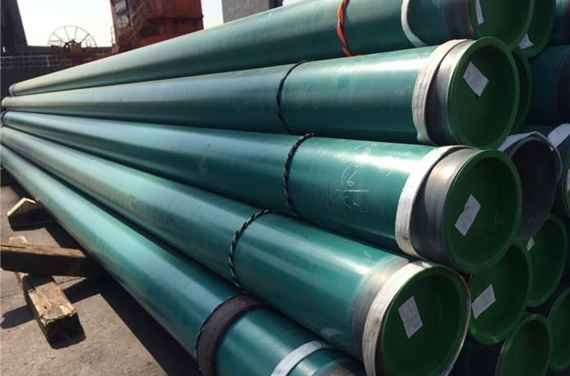
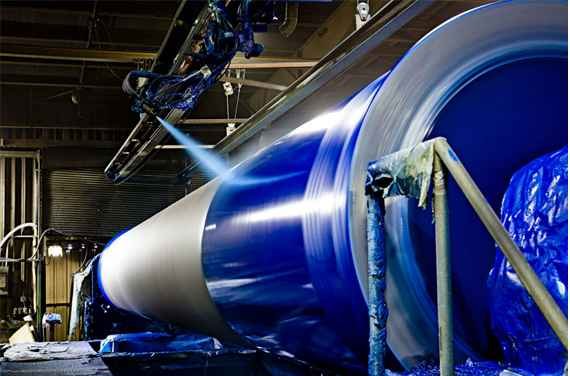
Equipment for spraying paint on external pipe surfaces. With outer liquid coating, a coating is applied to the outside pipe surface by a spraying system, providing corrosion protection for the pipe surfaces. There are multiple coating types available, e.g. liquid epoxy, polyurethane (PU), or e.g. (UV-curable) lacquer.
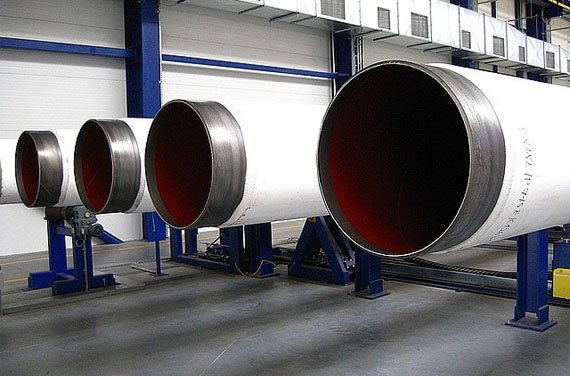
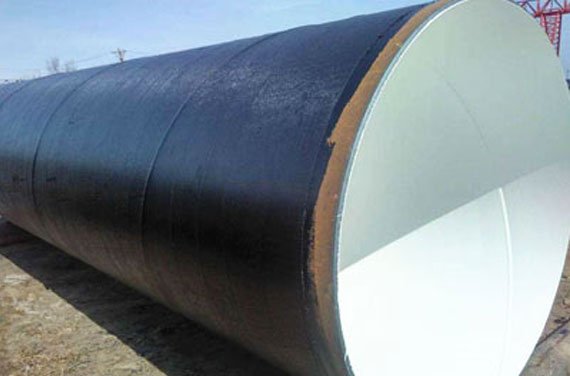
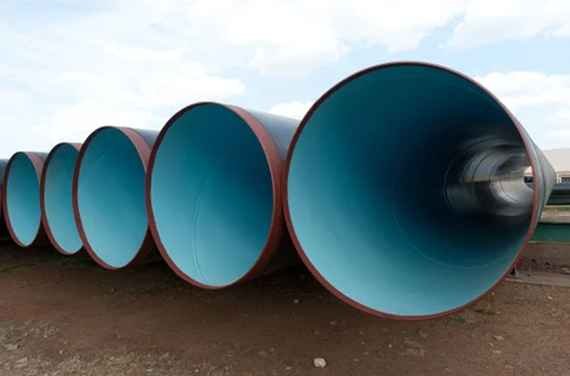
Equipment for spraying paint on internal pipe surfaces. Interior liquid lining is a coating layer on an inner pipe surface to protect against corrosion or to optimize flow efficiency. There are multiple coating types available, such as liquid epoxy, polyurethane (PU), or 2-component coating. After placing the pipe in the internal liquid coating station, the pipe ends are sealed off, and a lance with the spraying gun system is moved through the pipe. Pre-heating could be an option for internal liquid coating.
Equipment for spraying fusion bonded epoxy powder on internal pipe surfaces. An internal FBE coating is used to protect the inner surfaces of steel pipes from the influence of corrosion and light mechanical impacts, and it provides excellent resistance to cathodic disbondment. The internal Fusion Bonded Epoxy (FBE) system is based on an epoxy powder spray system mounted on a lance. The lance moves through the pipe while the epoxy powder is sprayed onto the internal pipe surface. The pipe must be heated so that the epoxy powder melts onto the pipe. After the FBE application, the layer requires curing.
A polyurethane coating is a layer of polyurethane (a type of polymer) applied to a material's surface to protect it. A polyurethane coating can protect the base material from corrosion, weathering, abrasion and other processes that would degrade the material over time. A polyurethane coating can be glossy or muted and opaque or transparent.
Food Grade Epoxy Coating helps effectively protect food products from coming in contact with the environment. The coating creates a barrier for the food source and helps prevent disintegration and spoilage across different systems. The Food Safe Epoxy Coating complies with all guidelines set by the FDA and is ideal for sealing and bonding food and related appliances. These components play a pivotal role in preventing microbial activities in food items.
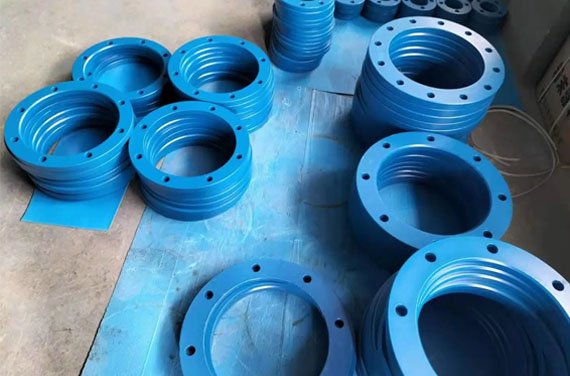
Coating on Fitting & Flanges helps effectively protect food products from coming in contact with the environment. The coating creates a barrier for the food source and helps prevent disintegration and spoilage across different systems. The Coating on Fitting & Flanges complies with all guidelines set by the FDA and is ideal for sealing and bonding food and related appliances. These components play a pivotal role in preventing microbial activities in food items.